
GNP Defend
Gun Carbon Cleaner
- In this collection 4 products
- Ownership American-owned
- NCAGE code 9BXGHRegistered supplier
-
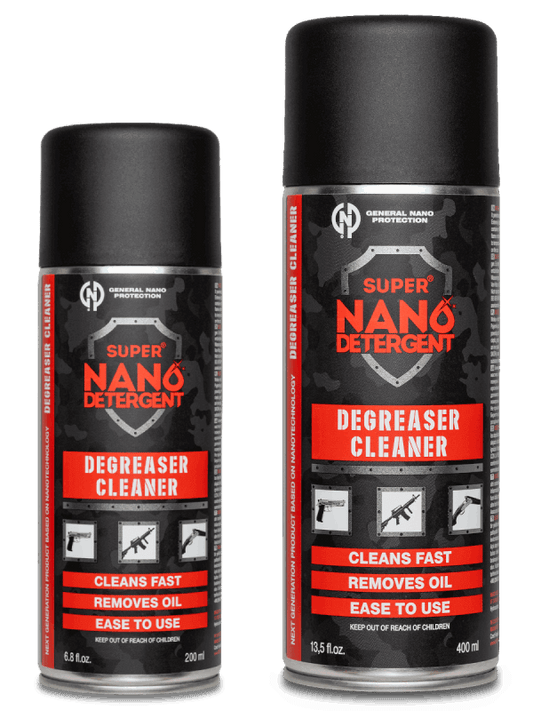
GNP Defend Gun Degreaser
Regular price From $16.95Regular priceUnit price per$21.99Sale price From $16.95Sale -
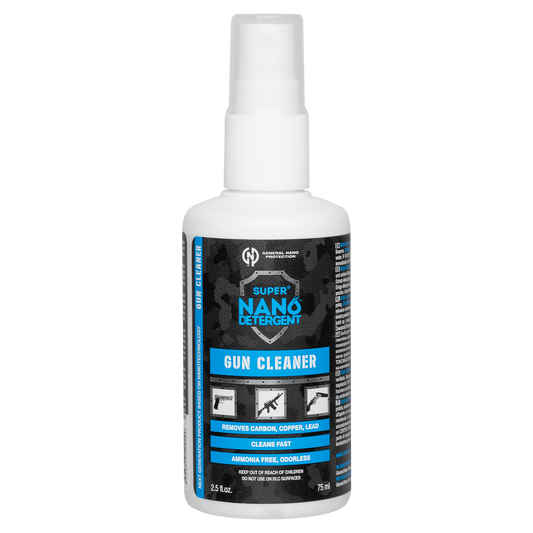
GNP Defend Gun Cleaner
Regular price From $11.95Regular priceUnit price per$13.99Sale price From $11.95Sale -
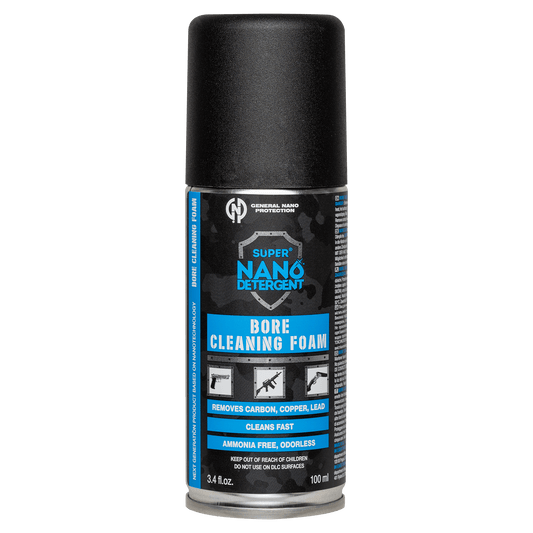
GNP Defend Bore Cleaning Foam
Regular price From $12.95Regular priceUnit price per$14.99Sale price From $12.95Sale -
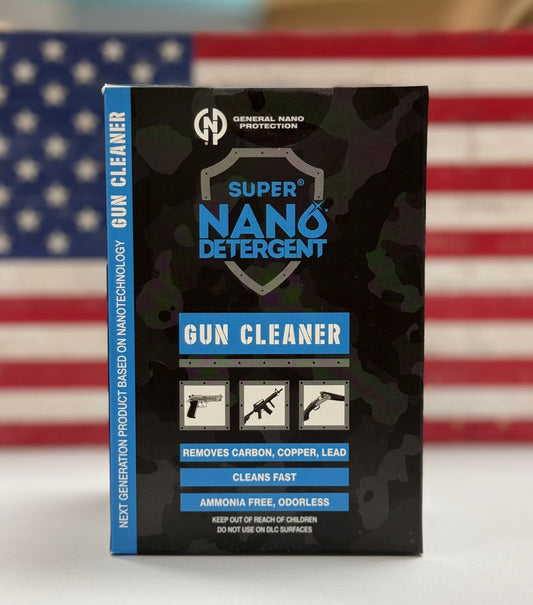
GNP Defend Gun Cleaner Wipes (10 pcs)
Regular price $18.95Regular priceUnit price per$19.99Sale price $18.95Sale




What Carbon Fouling Actually Is
Every round you fire burns propellant at extreme temperature and pressure, and the combustion leaves residue behind: carbon particles, powder byproducts, and vaporized metal that condense onto every surface the gas touches. Fresh fouling wipes off easily. Left in place through heat cycles, it bakes into a hard, lacquer-like layer that bonds to metal — the black crust on a bolt tail, the ring on a cylinder face, the grit inside a bolt carrier group.
Baked-on carbon does real damage to reliability. It tightens clearances that were machined to precise tolerances, drags on moving parts, mixes with lubricant into an abrasive sludge, and builds fastest exactly where firearms can least afford it — gas systems, bolt faces, and locking surfaces. Removing it is not cosmetic maintenance; it is the core of keeping a firearm running.
The Right Tool for Each Layer of Carbon
No single bottle removes every kind of carbon well, because bore fouling, baked-on carbon, and surface residue are different problems. That is why this collection is a system, applied in order:
Step 1: Degreaser — Strip the Old Layer First
GNP Defend Gun Degreaser goes first, always. Its high-pressure spray works like a pressure hose, blasting away old grease, degraded oil, and the carbon bound up in them — so the cleaners that follow work on bare metal instead of fighting through a layer of grime. On heavily fouled parts like bolt carrier groups and pistons, this first step does half the job on its own.
Step 2: Bore Cleaning Foam — Let Dwell Time Do the Scrubbing
GNP Defend Bore Cleaning Foam expands to fill 100% of the bore and clings to the fouling while you work on the rest of the firearm. The dwell time softens carbon and powder residue so patches push it out instead of you scrubbing it out — fewer passes, less rod wear, cleaner rifling.
Step 3: Gun Cleaner — Actions, Bolts, and Parts
GNP Defend Gun Cleaner handles the action, bolt, trigger area, and every part the degreaser and foam don't cover. It removes carbon and powder residue and lifts copper and lead — water-based, non-toxic, ammonia-free, and odorless, so a full cleaning session doesn't require a ventilated workshop.
In the Field: Cleaner Wipes
GNP Defend Gun Cleaner Wipes carry the same formula as the Gun Cleaner in a range-bag-ready format — a quick wipe-down of the bolt face and action at the range keeps fresh carbon from ever reaching the baked-on stage.
Where Carbon Builds — and What Removes It
| Carbon Hot Spot | Why It Builds There | Reach For |
|---|---|---|
| Bore & chamber | Direct combustion path — every shot deposits here | Bore Cleaning Foam |
| Bolt carrier group (AR-15) | Gas impingement dumps hot gas directly onto it | Degreaser, then Gun Cleaner |
| Bolt face & extractor | Blowback residue from every case fired | Gun Cleaner or Wipes |
| Revolver cylinder face | Cylinder-gap flash bakes rings onto the steel | Degreaser, then Gun Cleaner |
| Gas piston / gas block | Hottest, highest-pressure carbon on the firearm | Degreaser |
| Muzzle device | Muzzle blast deposits build layer by layer | Degreaser |
Chemistry That Started With the Hardest Fouling
GNP Defend's cleaner chemistry has an unusual origin: it was originally created specifically for black powder. Black powder fouling is the most corrosive residue in shooting — its salts pull moisture from the air and start attacking steel within hours. Because those salts are water-soluble, the formula was built water-based from day one, engineered to dissolve what solvents leave behind. Modern smokeless carbon is an easier target than the fouling this chemistry was born to fight — which is why the same cleaner that handles a muzzleloader after a black powder session makes quick work of a range day's carbon.
Frequently Asked Questions
What is the best gun carbon cleaner?
The best gun carbon cleaner is a system matched to where carbon builds: a degreaser for baked-on carbon and old oil, a bore foam that dwells on bore fouling, and a dedicated cleaner for actions and parts. The GNP Defend carbon-cleaning products are the same cleaners used throughout the brand's 10,000-round military endurance test.
What removes carbon buildup from a gun?
Fresh carbon comes off with a dedicated gun cleaner and a wipe-down. Baked-on carbon needs more: a degreaser to strip the oil-bound layer first, then a cleaner to lift what remains. In the bore, a cleaning foam that dwells on the fouling softens it so patches remove it without aggressive scrubbing.
Is carbon cleaner safe on firearm finishes and polymer?
GNP Defend cleaning products are formulated for modern firearms — safe on steel, stainless, polymer frames, and coated finishes. The Gun Cleaner and Bore Cleaning Foam are water-based, non-toxic, ammonia-free, and odorless, so they are also safe to use indoors.
Do I need a degreaser and a gun cleaner?
For hard-use firearms, yes — they do different jobs. The degreaser goes first: its high-pressure spray strips old grease, degraded oil, and the carbon bound into them, like a pressure hose for metal. The cleaner then works directly on the freshly exposed surface. Cleaner alone on a heavily fouled part spends most of its effort fighting through the old oil layer.
How do I remove carbon from a gun barrel?
Fill the bore with a bore cleaning foam and let it dwell while you clean the rest of the firearm. The foam expands to reach the entire bore surface and softens carbon and powder fouling, so patches push the residue out with far less brushing. Finish with a lightly oiled patch to protect the bore.
How often should carbon be removed from a firearm?
After every shooting session for the bore and bolt face, and before carbon gets a chance to bake in through repeated heat cycles. High-volume shooters and gas-operated rifles need the most attention — an AR-15 bolt carrier group collects carbon with every shot. A quick wipe-down at the range plus a full clean at home keeps fouling at the easy-to-remove stage.
Does this cleaner work on black powder fouling?
Yes — that is what the chemistry was originally created for. Black powder fouling is water-soluble salt residue, which is why the GNP Defend cleaner formula is water-based. It dissolves black powder salts that petroleum solvents leave behind, and it handles modern smokeless carbon with the same action.