Synthetic Grease Test: One Bead on Upright Steel
One bead of GNP Defend Synthetic Grease on a steel plate held vertical: it stays put, no run, no drip, then spreads to a thin film with one finger pass.
One bead, held upright, no run — then a thin film with one finger pass. That is what grease does that oil cannot.
- A bare steel plate, held upright. Nothing on it yet.
- One bead of GNP Defend Synthetic Grease, straight from the bottle onto the vertical face.
- The plate stays upright. The bead stays where it landed: no run, no drip, no sag.
- One fingertip pass spreads it into a thin, even film.
- The plate laid flat: a thin film, exactly where it was put.
A bare steel plate on the bench, held upright. One bead of GNP Defend Synthetic Grease is squeezed straight from the bottle onto the vertical face. The plate stays upright for several seconds and the bead stays exactly where it landed: no run, no drip, no sag down the steel. One fingertip pass spreads the bead into a thin, even film, and the plate is laid flat to show it. That is the property that separates grease from oil. Oil is meant to flow into tight tolerances and cover moving parts; grease is meant to stay on the high-pressure contact points that would throw oil off, which is why it belongs on slide rails, bolt locking lugs, cam pins and the places that see metal-on-metal load. Synthetic Grease holds that film through heavy use and blocks moisture from the steel underneath, so the parts you grease stay greased between cleanings. Use a thin film; more is not better.
-
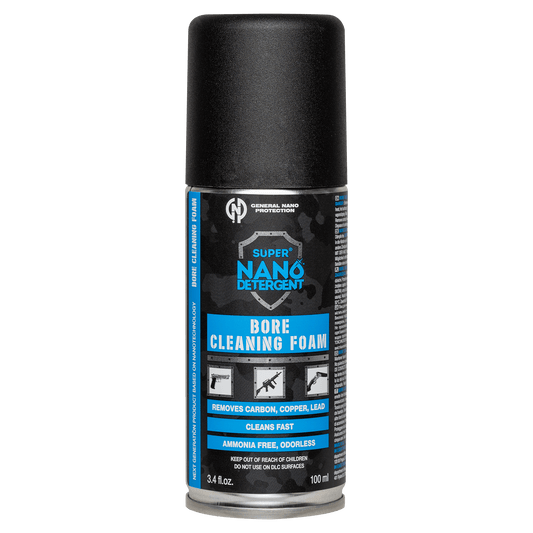
GNP Defend Bore Cleaning Foam
Regular price From $12.95Regular priceUnit price per$14.99Sale price From $12.95Sale -
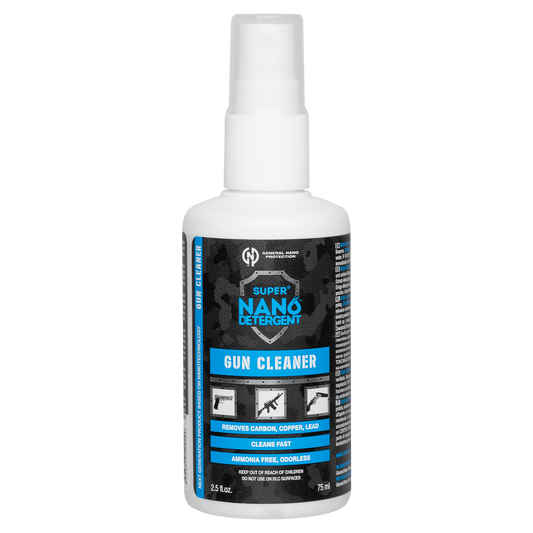
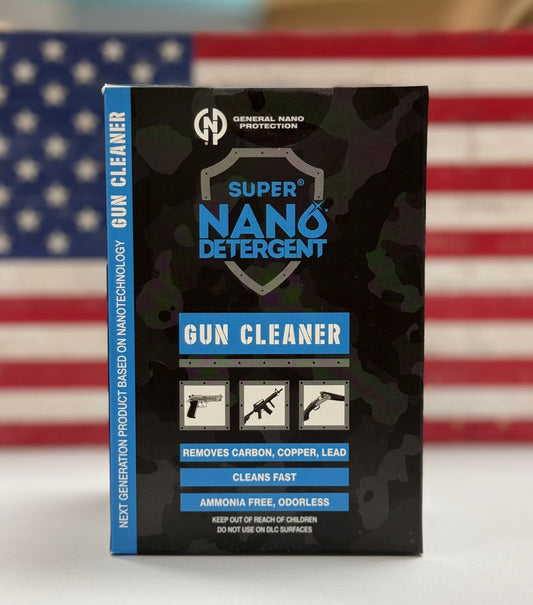
GNP Defend Gun Cleaner
Regular price From $11.95Regular priceUnit price per$13.99Sale price From $11.95Sale -
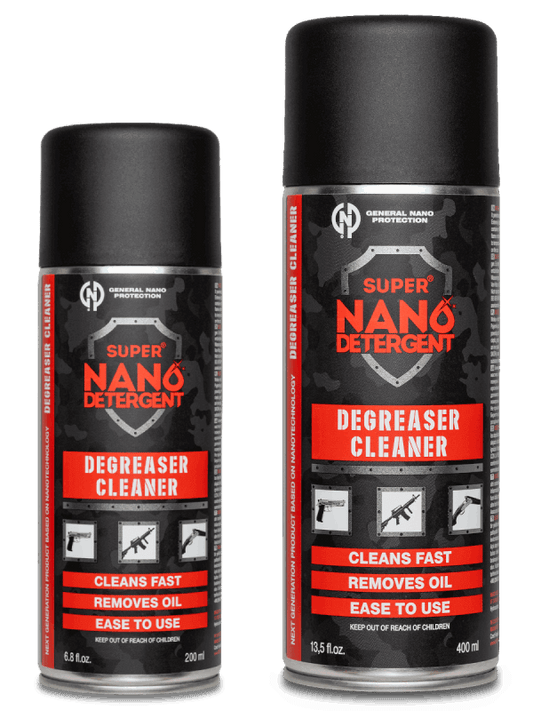
GNP Defend Gun Degreaser
Regular price From $16.95Regular priceUnit price per$21.99Sale price From $16.95Sale -
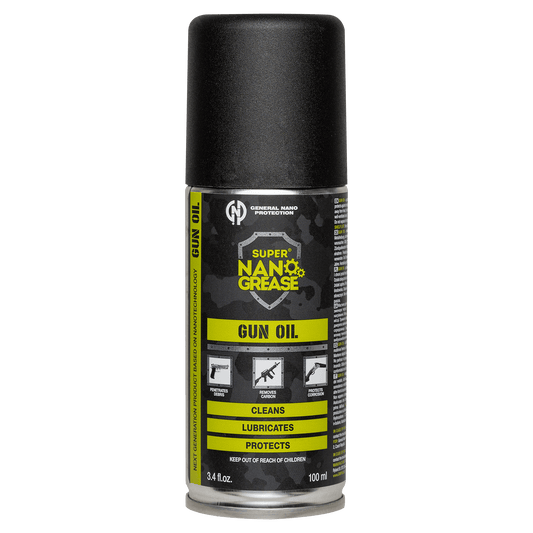 Sale
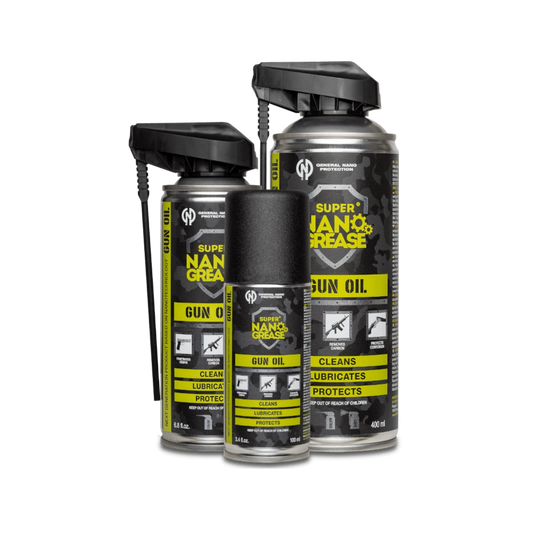
SaleGNP Defend Gun Oil
Regular price From $11.95Regular priceUnit price per$13.99Sale price From $11.95Sale -
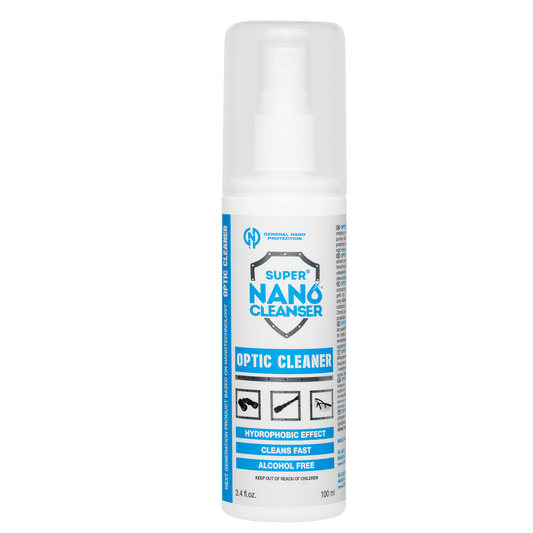
GNP Defend Optic Cleaner
Regular price $12.95Regular priceUnit price per$14.99Sale price $12.95Sale -
GNP Defend Synthetic Grease
Regular price $16.95Regular priceUnit price per$18.00Sale price $16.95Sale -
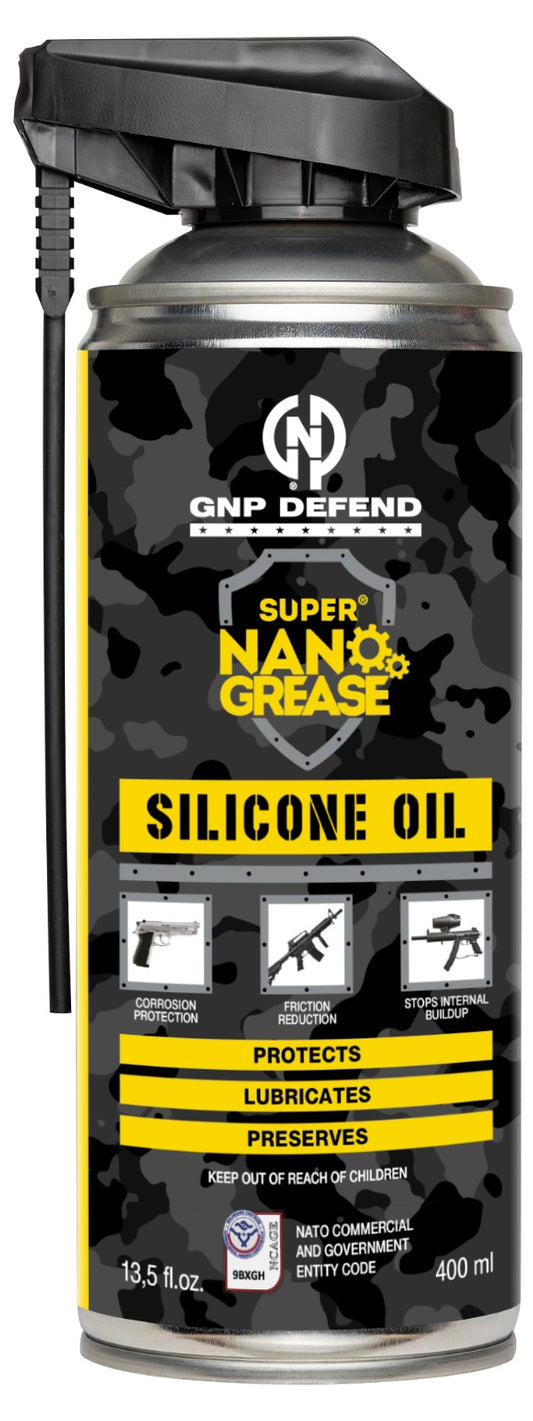
GNP Defend Silicone Oil
Regular price From $20.95Regular priceUnit price per$22.00Sale price From $20.95Sale -
GNP Defend Gun Cleaner Wipes (10 pcs)
Regular price $18.95Regular priceUnit price per$19.99Sale price $18.95Sale