


GNP DEFEND
GNP Defend Silicone Oil
GNP Defend Silicone Oil
Couldn't load pickup availability
Specifications
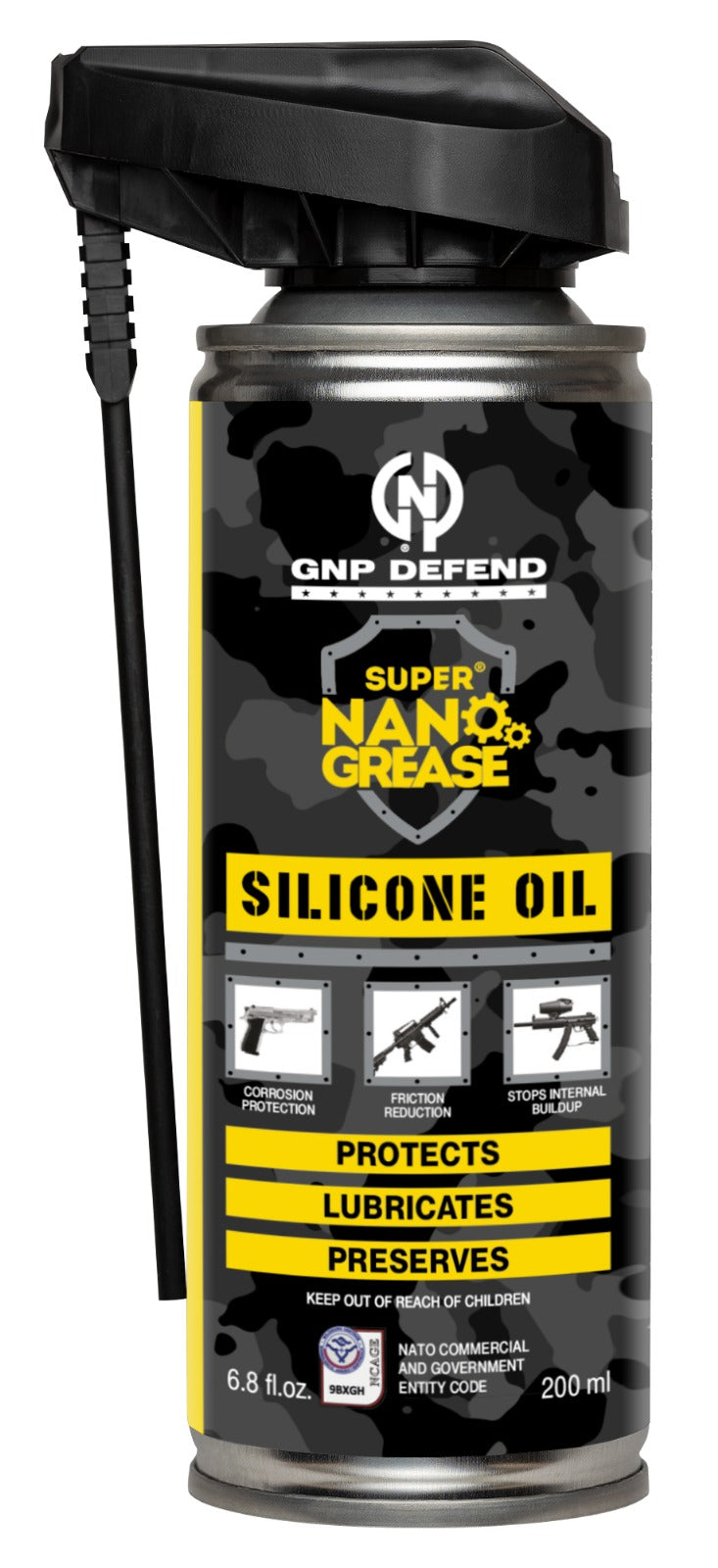
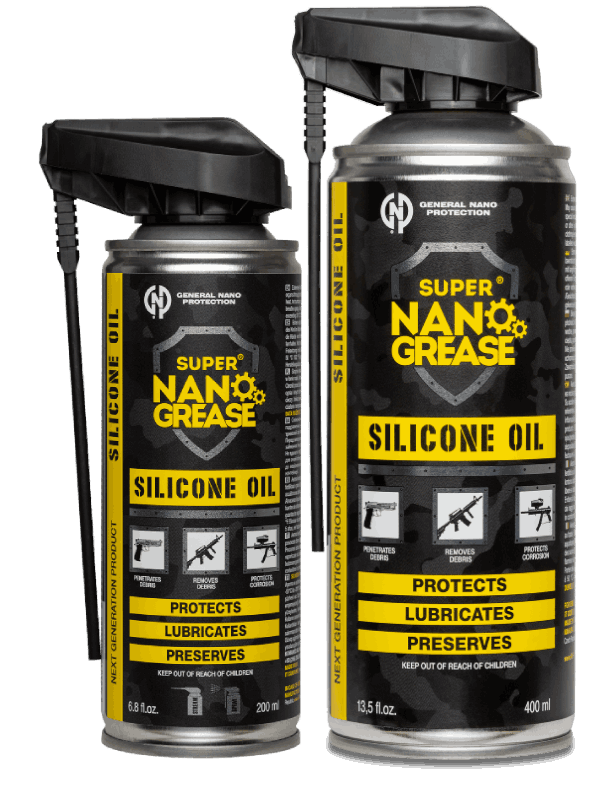
One Silicone Oil — Bows, Airsoft & Air Rifles
A precision lubricant for equipment where the wrong product causes real damage. Chemically inert and safe for every material — composite cams, rubber seals, polymer slides, metal axles.
One product. Every application. No compromise on materials.
GNP Defend Silicone Oil is formulated for equipment where petroleum-based products cause damage. It's chemically inert — safe for every material found in modern compound bows (composite cam bodies, rubber components, polymer slides, metal axles) and equally at home in airsoft, paintball, and air-powered systems where seal integrity and friction reduction are critical.
Compound Bow Lubrication — The Right Oil for Modern Bows
Petroleum-based oils and general-purpose sprays like WD-40 degrade the composite cam bodies, rubber O-rings, and polymer cable slides found in modern compound bows. GNP Defend Silicone Oil is the safe alternative — it lubricates the contact points that need it without attacking the materials around them.
Where to apply on a compound bow
- Cam axles (bushing-style systems) — a small amount directly on the axle pin every 1,500–2,000 shots. The highest-friction point on the bow and the most impactful lubrication you can do.
- Cable slide rail — a light coat along the full length of the cable guard rail. A dry slide adds measurable drag and accelerates cable wear.
- Limb bolt threads — prevents seizing and makes draw weight adjustments easier.
- Limb pocket contact surfaces — a very light application prevents squeaking and corrosion at the limb-to-riser interface.
For the complete compound bow lubrication guide — including a diagram of exactly where to apply, bushing vs sealed bearing identification, and full instructions — read The Complete Guide to Compound Bow Lubrication.
Why GNP Defend Silicone Oil
| Chemically inert | Does not react with composites, rubber, plastics, or painted finishes. Safe on every material in a compound bow, airsoft gun, or air rifle. |
| Stable lubricating film | Doesn't evaporate or become gummy. Stays in place between applications without attracting grit or leaving sticky residue. |
| Moisture & corrosion protection | Forms a hydrophobic barrier that repels water, blocks rust, and protects metal during storage or adverse weather. |
| Preserves rubber & seals | Maintains elasticity in O-rings, seals, and rubber components; prevents drying and cracking in pneumatic and mechanical systems. |
| Wide temperature range | Stable from −58°F to +392°F (−50°C to +200°C). Consistent viscosity from sub-zero hunts to summer range sessions. |
| Reduces friction & noise | Acts as a slip agent between moving parts, reducing drag, audible wear, and shot-to-shot inconsistency. |
| Strong surface adhesion | Clings to contact surfaces rather than running off. Stays where you apply it without constant reapplication. |
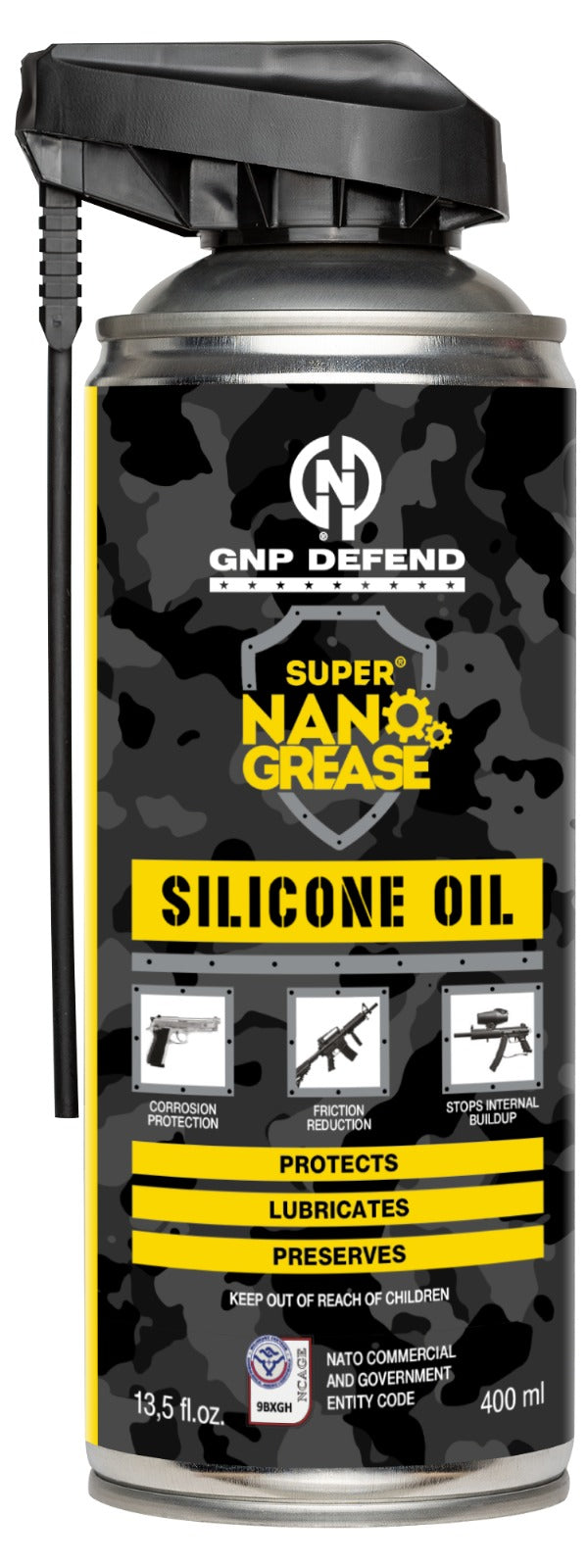
| 200 ml or 400 ml aerosol | Aerosol delivers a controlled, precise amount to small contact points — cam axles, cable slides, seal surfaces — without over-application. |
All Applications
Formulated for any system where material compatibility, seal protection, and long-term lubrication matter.
Archery
Compound bow cam axles, cable slide rails, limb bolt threads, limb pocket contact surfaces. Safe for all bow materials — composite cams, aluminum risers, polymer slides, rubber components.
Airsoft & paintball
O-rings, seals, valves, hop-up units, and all moving parts in gas and air-powered systems. Keeps seals elastic, reduces friction in bolt and valve assemblies, and protects against moisture ingress during play and storage.
Air rifles & air pistols
Piston seals, breech seals, barrel pivot points, and internal rubber components. Compatible with spring-piston, CO₂, and PCP systems. Maintains seal integrity and reduces piston slap.
Firearms & optics
External metal surfaces, O-ring seals on suppressor components, optic lens mounts, and any metal-on-polymer contact point. Safe on painted and anodized finishes without affecting surface coatings.
General use
Hinges, zippers, rubber gaskets, plastic components, and any surface requiring long-term lubrication or moisture protection. Safe for wood, metal, rubber, plastic, and painted finishes.
Frequently Asked Questions
Is GNP Defend Silicone Oil safe for compound bow components?
Yes — it's safe for all materials in modern compound bows including composite cam bodies, aluminum risers, polymer cable slides, and rubber components. It's chemically inert and won't degrade any of these. Apply to cam axles, cable slide rails, and limb bolt threads. Never apply directly to bowstrings or cables.
Can I use it instead of WD-40 on my compound bow?
Yes, and you should. WD-40 is a petroleum-based solvent that evaporates quickly, leaves a grit-attracting residue, and can degrade rubber and composite materials in modern compound bows. GNP Defend Silicone Oil provides lasting lubrication, doesn't degrade bow materials, and leaves no sticky residue.
Is it safe on plastics and rubber?
Yes. Unlike petroleum-based oils, silicone oil does not swell, crack, or degrade rubber, polymer, or plastic components. It actively preserves rubber elasticity, making it ideal for O-rings, seals, polymer cable slides, and composite cam surfaces.
How often should I apply it to my compound bow?
Apply to cam axles and cable slide rails approximately every 1,500–2,000 shots under normal conditions. After hunting in rain, dust, or extreme cold, inspect and re-apply sooner. Apply to limb bolt threads whenever adjusting draw weight or if bolts feel stiff.
Can it be used on airsoft O-rings and seals?
Yes — it's specifically designed for this. It maintains O-ring elasticity, reduces friction in valve and bolt assemblies, and protects seals during storage. Apply a small amount to O-rings during maintenance or before storage.
Does it repel moisture and prevent rust?
Yes. The silicone formula creates a hydrophobic film on treated surfaces that repels water and blocks the conditions that cause rust and oxidation. It's particularly effective as a pre-storage treatment on metal components exposed to outdoor conditions.
Is it safe for use on optics and painted finishes?
Yes. It's safe on anodized and painted metal finishes and won't affect optical coatings on scope lenses or sight glass. Apply externally to lens mounts, O-ring seals on scope tubes, and any metal-on-polymer contact point.
What is the temperature range?
GNP Defend Silicone Oil remains stable and effective from −58°F to +392°F (−50°C to +200°C). It maintains consistent viscosity in sub-zero hunting conditions and at summer range temperatures, unlike petroleum-based oils that thin in heat and thicken in cold.