

GNP Defend
Best Gun Grease
- In this collection 2 products
- Ownership American-owned
- NCAGE code 9BXGHRegistered supplier
-
GNP Defend Synthetic Grease
Regular price $16.95Regular priceUnit price per -
GNP Defend Gun Oil
Regular price From $11.95Regular priceUnit price per


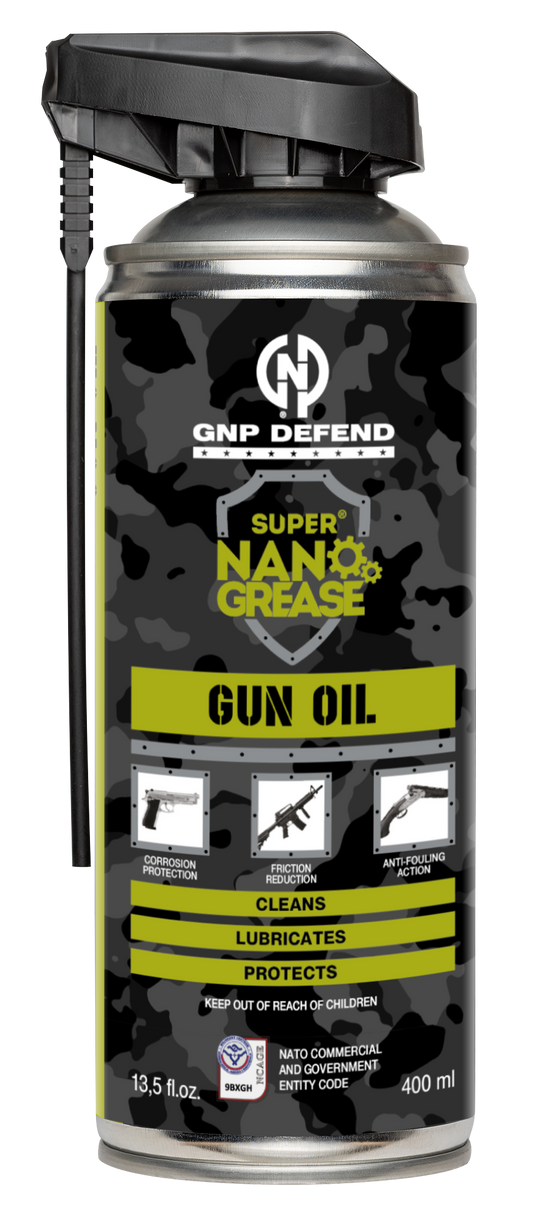
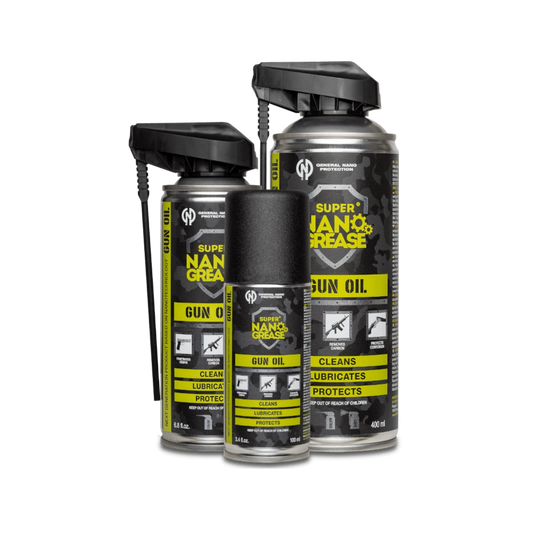
Firearms operate under intense pressure and friction. Moving metal parts slide against each other thousands of times during use. Because of this constant stress, choosing the Best Gun Grease becomes essential for maintaining reliability, reducing wear, and protecting critical firearm components.
Unlike thin oils that flow away quickly, gun grease stays exactly where it is applied. It forms a durable protective layer between metal surfaces and helps firearms cycle smoothly even during extended range sessions.
Shooters, gunsmiths, and professional operators often apply grease to areas that experience heavy load, such as slide rails, locking lugs, bolt carrier contact points, and sear surfaces.
Best Gun Grease: Definition and Quick Answer
Definition: Best gun grease refers to a high-viscosity firearm lubricant designed to remain in place on high-friction contact areas. It reduces metal-on-metal wear, improves cycling smoothness, and protects firearm components from corrosion and friction damage.
Why Gun Grease Is Important for Firearm Reliability
Every firearm contains contact points where metal parts slide under pressure. These areas generate heat and friction during operation. Without proper lubrication, these surfaces can wear prematurely or cause reliability issues.
A quality gun grease creates a protective film that helps prevent metal scuffing and galling. This lubrication layer improves long-term durability and keeps firearm components functioning consistently.
Where the Best Gun Grease Should Be Applied
The best gun grease works most effectively on high-load contact areas rather than inside small internal mechanisms. These locations benefit from grease because the thicker lubricant remains in place during cycling.
- Slide rails on semi-automatic pistols
- AR-15 bolt carrier contact surfaces
- Locking lugs and barrel extensions
- Hammer and sear engagement surfaces
- Shotgun bolt rails and action bars
For a detailed breakdown of exactly where to apply grease, read our guide: Best Gun Grease: Where to Apply It on Slide Rails & Wear Points .
Gun Grease vs Gun Oil
Many firearm owners use both lubricants together. Oil flows easily into tight spaces and protects internal parts, while grease strengthens protection on heavy contact zones.
| Lubricant | Best Use | Benefit |
|---|---|---|
| Gun Oil | Internal moving parts | Flows easily and protects from corrosion |
| Gun Grease | Slide rails and high-friction surfaces | Stays in place and reduces wear |
How to Choose the Best Gun Grease
Not all firearm lubricants perform the same. The best gun grease should provide strong adhesion to metal surfaces while resisting heat and environmental conditions.
- High load resistance
- Corrosion protection
- Temperature stability
- Safe use on firearm finishes
- Long-lasting lubrication
Modern synthetic firearm greases use advanced formulations that create a durable lubricating layer designed to maintain smooth cycling and reduce mechanical wear.
Best Gun Grease for Long-Term Firearm Protection
Many shooters apply grease before long-term storage to protect metal surfaces. The thicker lubricant layer helps shield firearm components from humidity and environmental exposure.
Applying a light layer of grease to key contact areas helps preserve firearm condition while ensuring reliable performance when the firearm is used again.
Frequently Asked Questions
What gun grease does the military use?
Military units use various firearm lubricants depending on the weapon platform and operating environment. Many modern military lubricants include synthetic greases designed to withstand extreme temperatures and heavy firing cycles.
What gun lube do Navy SEALs use?
Special operations units often use high-performance synthetic lubricants that combine corrosion protection, friction reduction, and durability under extreme conditions. Specific products may vary based on mission requirements and weapon platforms.
What is better than Hoppe's No. 9?
Hoppe's No. 9 is a classic solvent used primarily for cleaning carbon and fouling. Modern firearm maintenance systems often combine dedicated cleaners with specialized oils or greases for improved lubrication and protection.
What is the best grease for long-term gun storage?
A quality synthetic gun grease works well for long-term storage because it remains in place and creates a protective barrier that helps prevent corrosion on metal surfaces.
Which is better, silicone or lithium grease?
Lithium grease generally handles heavy-load applications better and is commonly used for firearm contact surfaces. Silicone lubricants are often used for seals, polymers, and O-rings.
Is CLP better than gun oil?
CLP products combine cleaning, lubrication, and protection in one formula. Dedicated gun oils and greases often provide stronger lubrication performance for specific firearm components.