How to Clean a Gun Properly
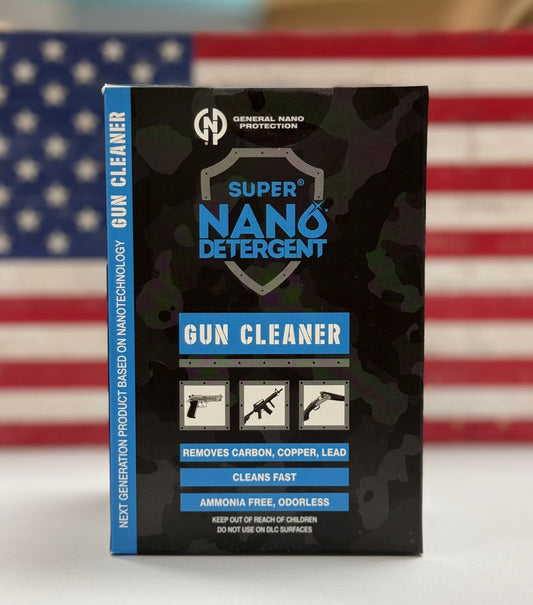
Learning how to clean a gun is one of the most important skills any firearm owner can develop. Proper cleaning removes carbon buildup, powder residue, copper fouling, and moisture — the four things that cause malfunctions, corrosion, and premature wear on every firearm you own.
A complete firearm cleaning process involves:
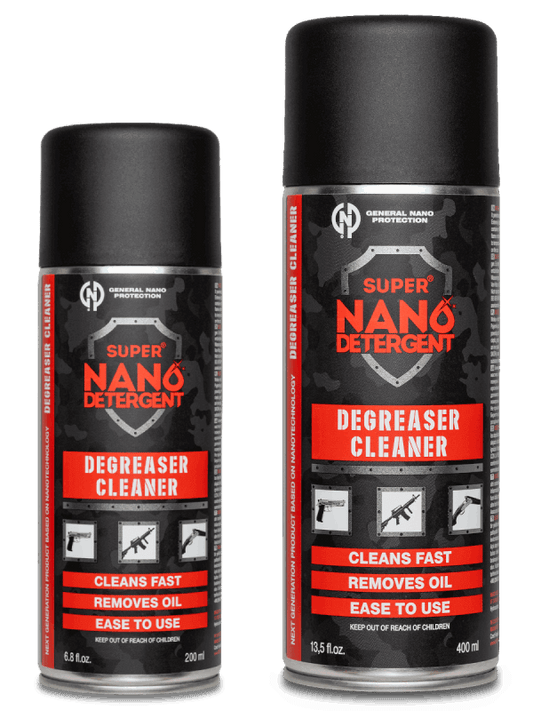
- Degreasing to strip old oil and contaminants from every metal surface
- Dissolving carbon and powder residue from the action, slide, and frame
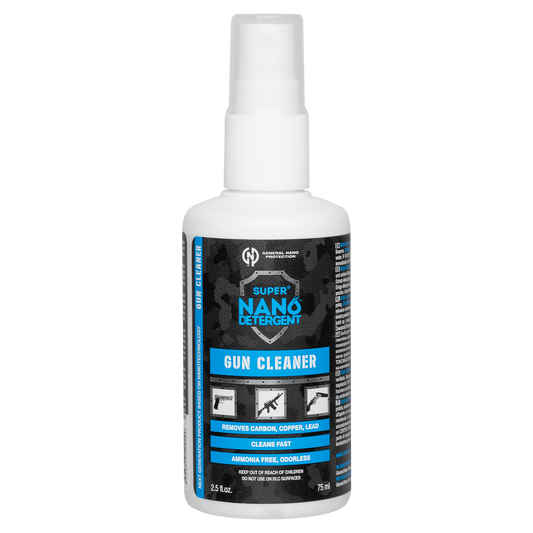
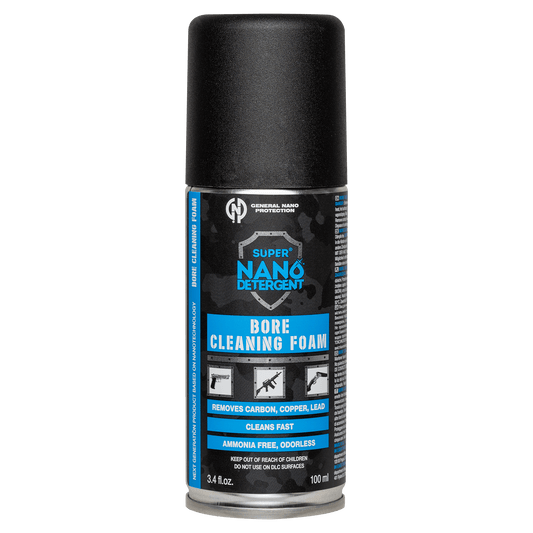
- Cleaning the bore to remove copper fouling and deposits
- Lubricating with gun oil and synthetic grease to protect moving parts
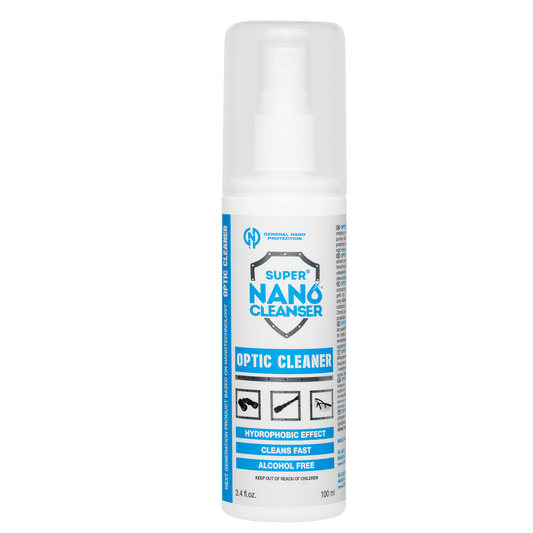
- Cleaning optics safely with a dedicated optic cleaner
Professional shooters, gunsmiths, and firearm instructors recommend cleaning firearms regularly to ensure consistent performance and safe operation. The GNP Defend lineup is built around a simple 3-step system — Degrease, Clean, Protect — with the right product for every step and every surface.
Why Cleaning Your Gun Is Important
Understanding how to clean a gun correctly is about more than keeping it looking good — it's about keeping it running. Every time a firearm is fired, combustion from ammunition leaves behind carbon residue, copper fouling, and other contaminants that build up shot after shot.
Left unchecked, these deposits affect accuracy, slow down the action, and create the conditions for corrosion. Regular maintenance removes them before they become a problem.
Common Residue Found Inside Firearms
- Carbon buildup from powder combustion
- Copper fouling from bullet jackets
- Lead residue from ammunition
- Dirt, moisture, and environmental contaminants
How Often Should You Clean a Gun?
Cleaning frequency depends on how often the gun is used and the conditions it's stored or operated in. As a general rule:
- After each range session
- After exposure to rain or humidity
- Before long-term storage
- Every 3–6 months even if unfired
- Whenever visible residue buildup appears
Basic Steps for Cleaning a Gun
Explore GNP Defend Firearm Cleaning Products
Looking for professional firearm maintenance products? Explore our full range of gun cleaning and lubrication solutions:
Firearm-Specific Cleaning Guides
Every firearm cleans a little differently. Use these guides for step-by-step instructions specific to your gun:
How to Clean a Gun — FAQ
How often should you clean a gun?
Clean your firearm after every range session. If it hasn't been fired but has been stored for 3–6 months, a light cleaning and re-lube is still recommended to prevent corrosion. Carry guns should be inspected and re-lubed monthly even if unfired. Regular firearm maintenance improves reliability and accuracy.
What products are needed to clean a gun?
A complete cleaning kit should include a gun degreaser, a gun cleaner (liquid, foam, or wipes), bore cleaning tools, gun oil for general lubrication, and synthetic grease for high-friction contact points like slide rails and barrel lugs. If your firearm has an optic, a dedicated optic cleaner is also essential — never use gun cleaner on coated lenses.
Can you clean a gun without a cleaning kit?
Yes. Many firearm owners clean their guns using individual products — a degreaser, a gun cleaner or bore foam, and gun oil — without a full packaged kit. The key is using products specifically formulated for firearms at each step rather than household substitutes.
What happens if you don't clean your gun?
Failing to clean a firearm leads to carbon buildup, corrosion, reduced accuracy, and eventually mechanical malfunctions. Old lubricant mixed with carbon fouling becomes an abrasive paste that accelerates wear on metal components. In a carry or self-defense firearm, this is a safety issue — not just a maintenance one.
What removes carbon buildup from guns?
A dedicated gun degreaser is the first step — it strips old oil and loosens heavy carbon deposits. Follow with a gun cleaner to dissolve remaining residue from the action and bore. For the bore specifically, bore cleaning foam is highly effective because it expands to fill the barrel and breaks down carbon and copper fouling while you clean the rest of the gun.
What is the difference between gun oil and gun grease?
Gun oil is a thin lubricant ideal for general protection, bore coating, and most metal surfaces. Synthetic grease is thicker and stays in place under heavy friction — it's the correct choice for high-contact points like slide rails and barrel lugs where oil gets pushed away during cycling. Using both together gives your firearm complete lubrication coverage.
Can I use WD-40 to clean a gun?
No. WD-40 is a water displacer, not a gun lubricant or cleaner. It evaporates quickly, leaves minimal protective residue, and is not formulated to handle the carbon and copper fouling firearms produce. Always use products specifically designed for firearm maintenance at each step of the cleaning process.